

I was 46 the first time I sprinted alongside a 72-year-old world champion.
We were running with the Track & Field Club in The Villages, Florida. After we crossed the finish line, stride for stride, he looked over with a grin and said, “You want to go again?”
That moment shifted something for me.
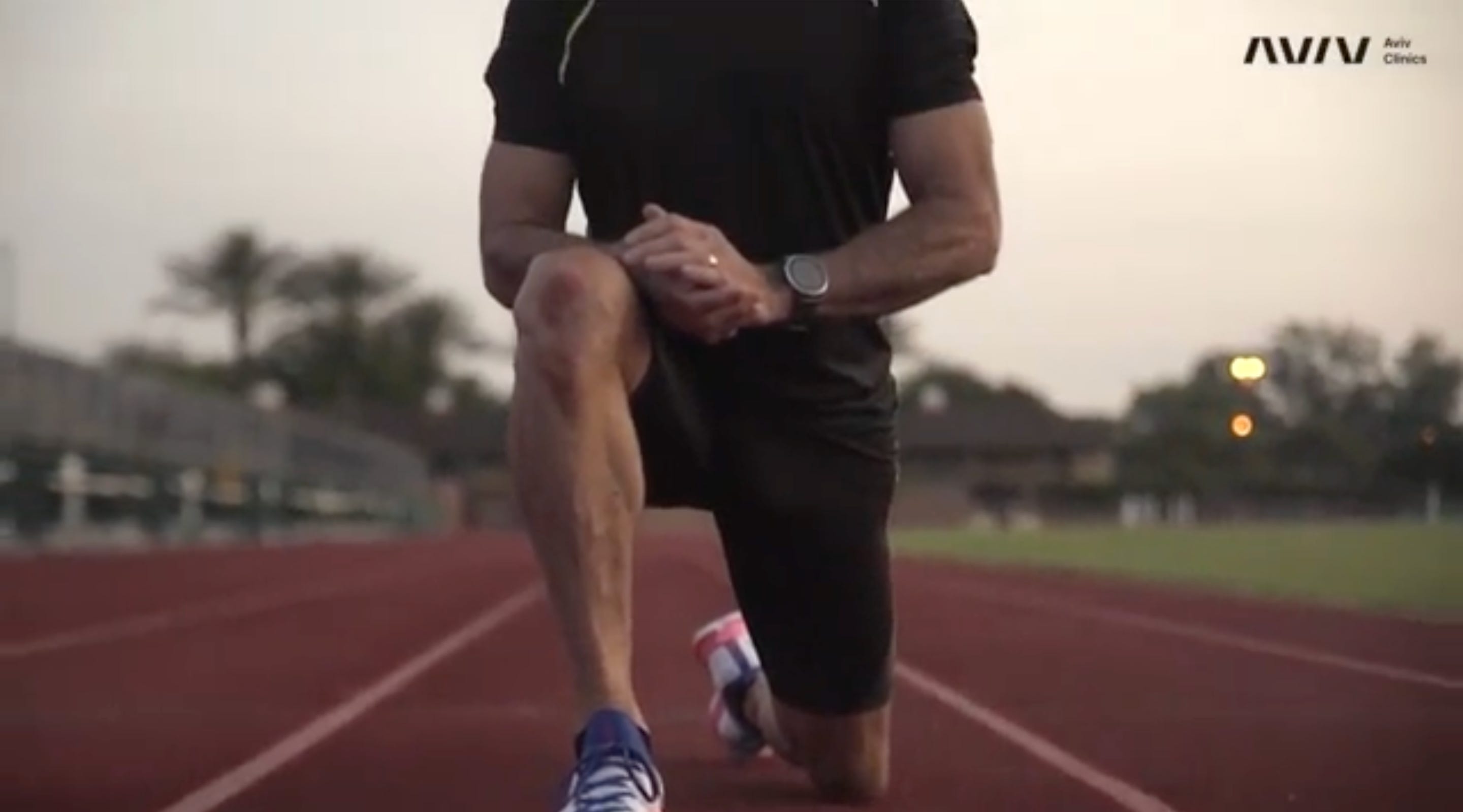
At the time, I was deep into researching the longevity economy for my work in user experience design. But no white paper or dataset could have taught me what one afternoon on the track made clear…
We’ve been sold the wrong story about aging.
What Living Inside the Paradox Taught Me
I spend part of each year living inside The Villages, the largest 55+ community in the world. It’s an unusual vantage point for someone in midlife, especially while still working.
Being embedded in this environment has shown me something most people never get to see up close. The second half of life doesn’t have to be about fading.
In fact, research from Stanford’s Center on Longevity makes this plain. Physical change is real, but so are the gains. Emotional regulation improves with age. So does decision-making and pattern recognition.
We aren’t biologically programmed to decline. But we do decline when our surroundings stop expecting anything else.
5 Truths That Reframe Aging as Creative Expansion
Here are five lessons — shaped by research and real life — that helped reframe how I see the second half of life.
1. Your Creative Prime Might Be Waiting at 55
Younger adulthood is often about proving yourself. Later adulthood can be about expressing something deeper.
The Modern Elder Academy has shown this in practice. They’ve built a community where people in midlife and beyond reconnect with their creative energy. Not as a hobby, but as a path to impact.
Chip Conley, their founder, calls it “wisdom meets curiosity.” It’s a powerful combination.
Ask: What idea or project have you put off. Not because it’s impossible, but because you assumed it was too late?
2. Identity Gets More Flexible, Not Fixed
Contrary to popular belief, people over 50 often feel more open to change, not less.
By this stage of life, the urgency to meet others’ expectations fades. What takes its place is a growing interest in living in alignment. You’ve already played roles. Now you can choose the ones that fit.
Ask: What part of your identity is emerging now that wouldn’t have felt possible a decade ago?
3. Energy Isn’t Age — It’s Environment
Movement doesn’t stop with age. It slows when people are surrounded by environments that expect them to stay put. AARP Research backs this up.
Social connection and activity are among the most powerful indicators of emotional and cognitive health in later life.
Where you live, and who you live around, shapes what feels possible.
Ask: Does your environment invite movement and participation, or does it quietly discourage both?
4. You Won’t Thrive By Fading Out
The idea that older adults should step aside, stay quiet, or become invisible isn’t just wrong. It’s harmful.
The ROAR Forward community pushes back on this narrative. They challenge people in midlife and beyond to fully engage with work, with community, and with purpose.
Staying visible doesn’t mean demanding the spotlight. It means staying present for the relationships and roles that matter most.
Ask: Where are you hiding, and what would change if you showed up fully?
5. You’re Not Running Out of Time
Starting something new in midlife or beyond isn’t a backup plan. It might be the plan. The second half of life has one advantage that’s easy to overlook. You know who you are. That clarity makes decisions sharper.
Ask: If this next chapter is your most meaningful one, what’s worth beginning now?
This Is a Design Problem
Longevity gives us a wider arc during a 100-year life. The question is what we’ll do with it. Every one of these reframes opens a door. Not to nostalgia or retreat, but to new forms of contribution, creativity, and connection.
If your environment shaped your mindset more than your age did, what would you change first? Drop a comment. I read them all.
Until next time,
Rethink Aging With Us
This is for you:
If you’re in your 30s, 40s, 50s, or beyond and not ready to fade out.
If you’re a builder, strategist, or decision-maker trying to understand what aging really means for your product, team, city, or community.
If you’re tired of “decline narratives” about age and are ready for something more honest, more useful, and more human.
Join other curious and forward-thinking people who are reconsidering what older age can be — and how to live it with intention.
Share age/proof design
Enjoyed this issue? Please forward this to friends or share by clicking below:
I like the way this reframes aging as a design challenge rather than a biological verdict. The emphasis on environment, expectations, and visibility feels especially accurate. What people are surrounded by often matters more than their age, whether that is physical space, social norms, or the stories being reinforced around them. The examples you give make it easier to see how later life can support creativity, adaptability, and contribution when conditions invite it. This reads less like motivation and more like a practical lens for building lives, communities, and systems that allow people to keep participating rather than quietly stepping aside.