

The only monthly digest for forward-thinking people curious about the cultural and demographic shift reshaping the future of aging.
Written by a 40-something living inside the world’s largest retirement community. Here’s my roundup of actionable insights this month to help us rethink what older age can be.
The Hacker House Has Grown Up
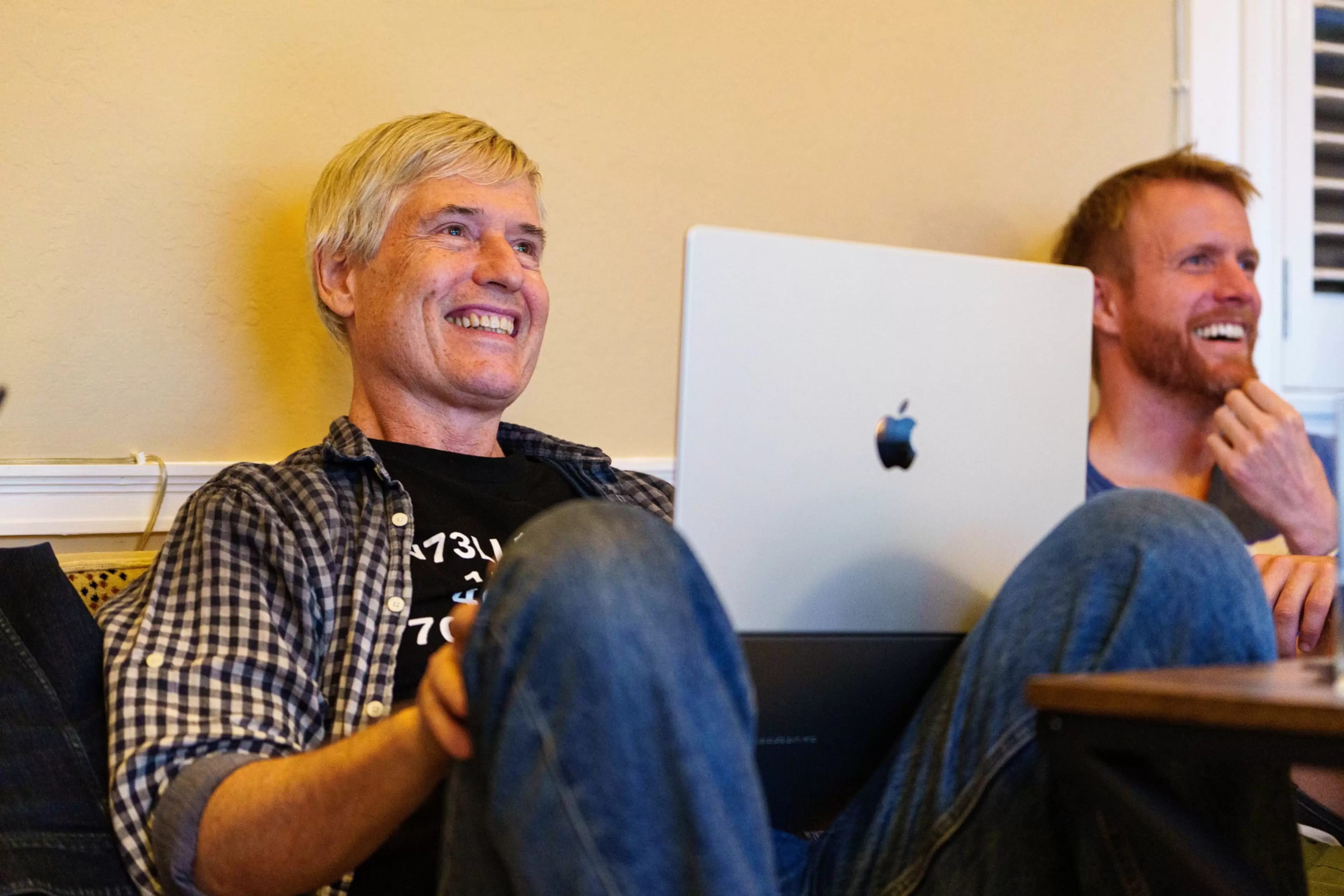
Sahin Boydas, 44, could afford to stop working after selling his company. He wanted to build again. His San Francisco hacker house offers experienced founders a setting considerably more comfortable than the shared bunk rooms associated with startup life.
Why it matters: Another venture begins under different conditions when founders already have families, financial security, and firsthand knowledge of burnout. A longer working life leaves room to reconsider how the work gets done.
Real-world signal: Vibe House SF offers stays capped at two weeks and holds events three times a week. Founder Sohrab Haghighat, 45, describes shortening his workdays to avoid neglecting his family again. He anticipates a ten-year journey with his current company.
Yes, but: These founders have unusual freedom to choose. Boydas travels home to Texas every other week, where his wife has family and other help nearby. The flexibility depends partly on resources most workers lack.
Hidden insight: Returning founders may need access to a working community without rebuilding their entire lives around it. Short stays and recurring gatherings offer one possible arrangement. The useful experiment here is whether people can remain involved in a fast-moving industry without repeating the living and working conditions of their twenties.
Takeaway: A longer career may require changing the places and routines that make participation possible.
Source: The San Francisco Standard
Shopping Without a Fixed Body in Mind
After a preventive double mastectomy, designer Carly Berlin struggled to find clothes that worked during recovery and still felt like her.
Why it matters: Menopause, illness, injury, and changes in dexterity can alter what someone needs from clothing across adulthood. Shopping becomes harder when product descriptions assume those needs will stay the same.
Real-world signal: Berlin’s marketplace, Weldun, organizes clothing around easy dressing, sensory considerations, flexible fit, and recovery. Many pieces come from existing fashion collections. Their useful features may already be there; the marketplace makes them easier to find.
Yes, but: These needs are not exclusive to older adults. That breadth is part of the idea. The launch coverage also does not establish how well the selections work for different shoppers.
Hidden insight: A retailer may keep a customer for decades while learning very little about how wearing its products has changed for them. Someone can still like the same brand but need a different fastening or waistband. Making those details searchable could help them keep shopping there through a temporary recovery or a lasting physical change.
Takeaway: Keeping a longtime customer may depend on explaining what a garment can accommodate, beyond its size.
Source: Forbes
AARP Finds Gen X at Sea
Jeanne Grubbs once teased her husband about his AARP envelope. On a Gen X cruise, she discovered partway through the trip that AARP was a sponsor. She later joined.
Why it matters: An organization can become relevant to someone before they recognize themselves among the people it serves. Here, that recognition happened through an enjoyable experience with peers.
Real-world signal: AARP’s account of the November 2025 Gen X Takeover cruise follows travelers rebuilding social lives after loss and divorce. Grubbs, now 56, says the trip helped her feel better about being in her mid-fifties. Another passenger, Stephani Forman, says she became more comfortable doing things alone afterward.
Yes, but: AARP sponsored the cruise and published these selected accounts. They cannot establish how Gen X as a whole feels about the organization or growing older.
Hidden insight: Grubbs’s change of mind began with something she wanted to do. That suggests an organization associated with later life may earn someone’s interest through a useful experience before its membership pitch means much to them.
Takeaway: The cruise gave Grubbs a reason to reconsider an organization she had previously treated as a joke.
Source: AARP
Midlife Gets a Coming-of-Age Story
In Sharon Horgan’s HBO TV series Youth, her character Alex’s son leaves for college, then comes back and eats her fancy ham. The literary agent’s anticipated period of freedom is already getting crowded.
Why it matters: Alex is in her fifties, with an established career and a bad marriage behind her. She expects those milestones to release some time for herself. Her parents need more care, her son still needs her, and work has other plans.
Real-world signal: Vulture describes a comedy that gives this stage of life the uncertainty and emotional stakes of a coming-of-age story. Alex wants to pursue authors she believes in and find another romantic relationship. Messages from her family repeatedly interrupt those attempts.
Yes, but: The show also lets Alex be vain, evasive, and ridiculous. She has trouble accepting the age of a potential date. Her frustration with midlife includes assumptions of her own.
Hidden insight: A coming-of-age story invites viewers to stay interested in someone whose judgment is still developing. Giving that treatment to a woman in her fifties makes room for more than an inspirational reinvention or a cautionary tale. Her mistakes can matter without becoming evidence that she has aged badly.
Takeaway: Notice whether stories about people in midlife allow them to be ordinary and unfinished, with something still worth following.
Source: Vulture
Until next time,
Rethink Aging With Us
This is for you and you’re in the right place:
If you’re in your 30s, 40s, 50s, or beyond and not ready to fade out.
If you’re a builder, strategist, or decision-maker trying to understand what aging really means for your product, team, city, or community.
If you’re tired of “decline narratives” about age and are ready for something more honest, more useful, and more human.
Join other curious and forward-thinking people who are reconsidering what older age can be — and how to live it with intention.
Share age/proof design
Enjoyed this issue? Please forward this to friends or share by clicking below: